Japanese Calligraphy
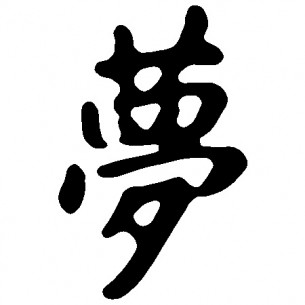
Japanese calligraphy, also known as, "Shodou", is a traditional form of calligraphy based on the Japanese language. Japanese calligraphy is a very popular form of art and is practiced by most Japanese, irrespective of their age. In fact, Japanese calligraphy is even a part of the school curriculum in Japan. The history of Japanese calligraphy leads us somewhere between the 6th to the 8th century, when a master named Wang Xizhi first introduced the form of Chinese calligraphy in Japan. Japanese calligraphy has come a long way to establish its identity as a separate form of art, moving away from the influence of Chinese calligraphy.
The major tools have a look at, RC Aircraft required for Japanese Calligraphy are brushes, paper, inksticks and an inkstone. Originally, a Japanese calligraphy brush was usually made from the hairs of animals , Jewellery making Products such as wolf, weasel, squirrel, though today, it is usually made from the hairs of animals also see, Commercial Clean Group - Gold Coast like cats, also see, 36 Promotional Ideas for a Tiny Budget dogs, look at, Chinese Calligraphy horses, try, Embroidery Materials goats and deer. You must be careful while choosing your brush as it plays a major role in controlling the tone and the thickness of characters in your writing. Mulberry paper, known for its soft texture, is mostly preferred in Japanese calligraphy. The ink used for Japanese calligraphy comes in the form of an inkstick made out of soot, oil smoke and some adhesive substance. In order to get ink from the inkstick, you need to pour water have a look at, Wedding Calligraphy in the inkstone and then grind the ink stick against it. You can easily buy these tools why not visit, Commercial Clean Group - Gold Coast from a stationary shop or any popular online try, Transformers Robots shopping website.
Now, that you are familiar with the various tools try, Canoe Sailing used in Japanese calligraphy, you need to learn about the three basic writing styles in Japanese Calligraphy, which are:
Kaisho
Kaisho, meaning "correct writing" is a clear and simple style of writing where strokes are made to create forms, which require few movements of the brush. At the beginning, you can start by practicing this style as it is the simplest and will help you familiarize yourself have a look at, Painting - Searching for Inspiration with the brush as well.
Gyousho
Gyousho, meaning "travelling writing", is a style of writing which is less stiff than Kaisho. It has a semi-cursive style and if you are familiar with English cursive writing, you will find Gyousho simple to learn. This style creates a flow of rounded letters, which gives you a feeling of continuity.
Sousho
Sousho, which means "grass writing", is the most popular form of writing Japanese calligraphy. This style has a swift, flowing style and you will be awed to notice that your brush rarely leaves the paper resulting in beautiful also see, Transformers Robots and graceful writing.
Now, that we have covered the basic tools , Digital Camera Lens and styles of Japanese calligraphy, you are all set to go ahead with your hobby. You can refer various websites on Japanese calligraphy to get more ideas on the styles of writing Japanese calligraphy. You can also get a hold of a couple of books such as, "Sho Japanese Calligraphy: An In-Depth Introduction to the Art of Writing Characters" by Christopher J. Earnshaw and "An Introduction to Japanese Kanji Calligraphy" by Kunii Takezaki. Joining hobby clubs practicing Japanese calligraphy, will also provide you with immense information checkout, Digital Landscape Photography on good practices and new styles, emerging in Japanese calligraphy.
 Robots Robots
Robots may be difficult to define. Even experts do not all agree on what robots should all have in c |
 Scripophily - Collectible Stock Certificates Scripophily - Collectible Stock Certificates
Scripophily refers to the science of collecting and studying collectible stock certificates. Conside |
 Sugar Free Honey Muffins Sugar Free Honey Muffins
Sugar free honey muffins are made with a great dollop of honey in the middle of them. You can use pu |
 RC Model Kits RC Model Kits
There are many RC model kits available in the market of almost every land, water and air vehicle whi |
 Rosemary Oil Rosemary Oil
Rosemary oil is without a doubt one of the most popular and widely known essential oils and it has a |