Matchbox Diecast
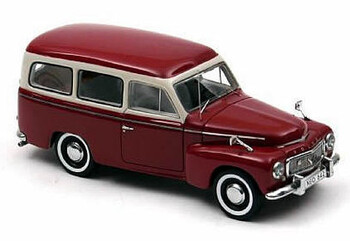
Matchbox Diecast initially began as "Lesney Products" in June 1947, a partnership between Leslie Smith and Rodney Smith. The company initially produced industrial pressure die cast products also look at, RC Balsa and not diecast models. It was only in late 1947 when a toy manufacturer also look at, Mini RC Robots placed an order with "Lesney Products" for a toy gun part that set the company's direction towards becoming the Matchbox Diecast Company. Some of the Pre - Matchbox Diecast models included the:
• Aveling Barford Road Roller (1948)
• Caterpillar Bulldozer (1948)
• Caterpillar Tractor why not visit, Iron Track MX400 Dirt Bike (1948)
• Cement Mixer (1948)
• Horse why not visit, Brisbane Kite Festival Drawn Milk Float (1949)
• Jumbo the Elephant (1950)
• Large Queen's Coronation Coach (1952)
• Muffin the Mule (1951)
• Prime Mover with Trailer And Bulldozer (1950)
• Rag and Bone Cart (1949)
• Ruston Bucyrus Shovel (1950)
• Small Queen's Coronation Coach (1953)
• Soap Box Racer (1949)
The success of the Small Queen's Coronation Coach produced in 1953 in which over a million pieces were sold lead the way for the company to concentrate on vehicles. Not long later came the I-75 "Matchbox" series of diecast models. It was this concept of packaging the diecast models in boxes with the same size and overall look of matchboxes that gave the company its trademark name of "MATCHBOX".
Selling for around a shilling then, the average pocket money of a child, the matchbox I-75 was within reach of many children making Matchbox Diecast very popular with this young section of the population. Later as the models got bigger, Matchbox Diecast redesigned the boxes to accommodate these bigger models. The process of redesigning the boxes is also a piece of the company history which many collectors are interested in as well. This is because some of the boxes variations are extremely rare and in certain cases more valuable than the diecast model that it contained.
By 1962, Matchbox Diecast was churning out around a million pieces of diecast vehicles a week. Around 75% of Matchbox Diecast models were sold aboard especially in the US and Japan. Toward 1969, Matchbox Diecast models were exported to 130 countries also look at, Poker Bonus around the world with 40% of its weekly production of 5.5 million pieces going to the US alone. Nevertheless, despite its huge popularity, Matchbox Diecast went into financial trouble when the US Company, Mattel, introduced the "Hot Wheels" cars into the diecast market. Furthermore, with the onset of the economic crisis in the 1970s, Matchbox Diecast declined further in fortune.
To avoid financial disaster, also look at, Iron Track MX400 Dirt Bike the Matchbox Diecast Company was sold to Universal International Group and Mr. David Yeh who restructured the company and floated it on the New York Stock Exchange. By May 1992, Matchbox Diecast was sold to Tyco Toys, who in turn was bought over by Mattel in 1997 thus merging the two competing brand under one corporate umbrella. Today, Mattel have expanded the Matchbox Diecast series to over one hundred models especially in the US. Nevertheless, in the majority of the market the Matchbox Diecast 1-75 series will continue to be a 75 model stable.
 Model Car Display Cases Model Car Display Cases
Model car display cases are the best way to store your model car and ensure that they are not damage |
 RC Electric Helicopters RC Electric Helicopters
RC electric helicopters are one of the most interesting pieces of RC aircraft that are available tod |
 Collectible Toy Robots Collectible Toy Robots
Toy robots are a very popular and an ever growing industry. There are various types of toy robots wh |
 Computer Gaming Computer Gaming
Computer gaming is not just playing on a computer, it is any form of game that involves interaction |
 Make Doll Clothes Make Doll Clothes
To make doll clothes for your doll, all you need are knowledge of basic sewing techniques, the mater |